
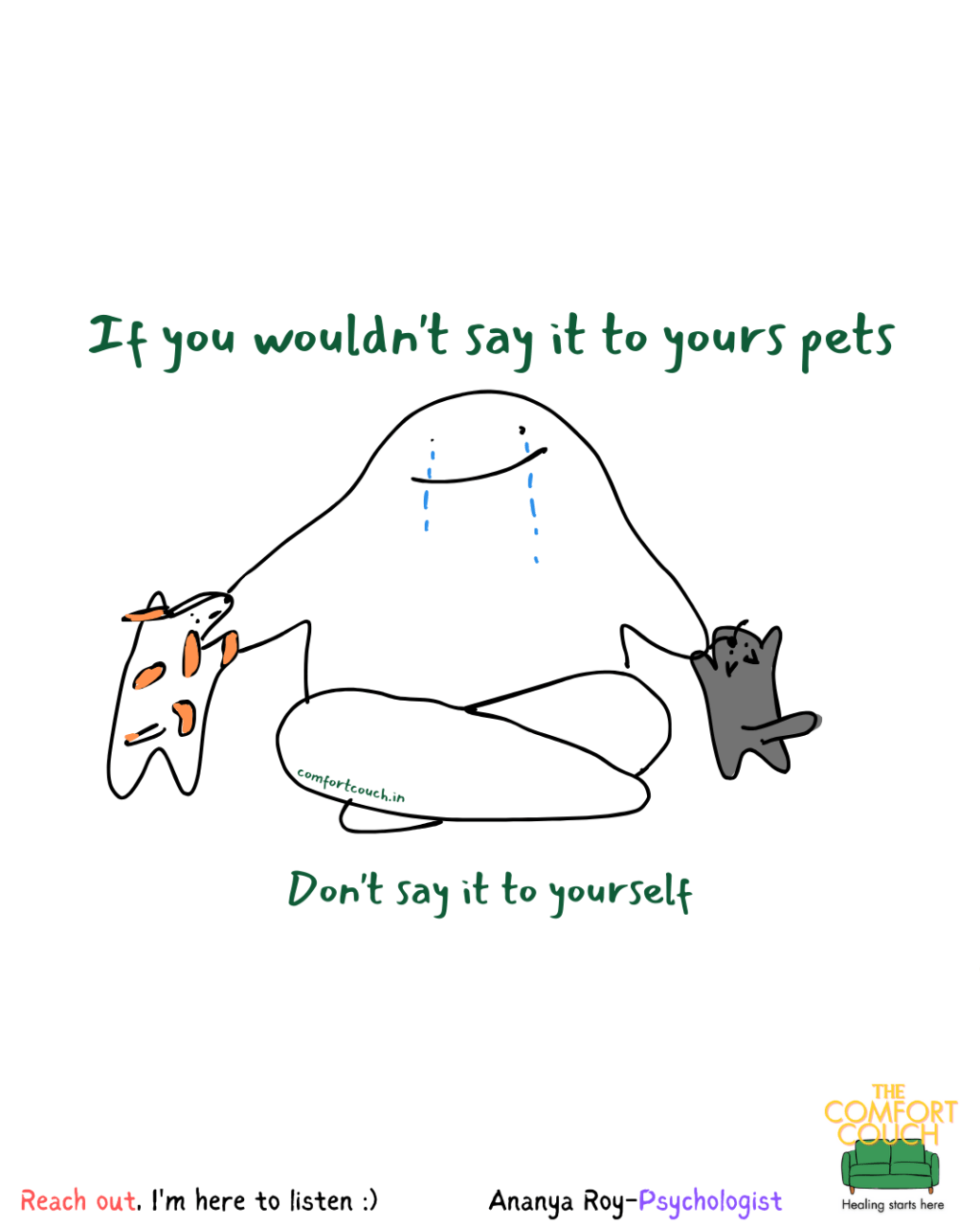
Imagine talking to your pet the way you sometimes talk to yourself. Would you ever tell your dog that he’s a failure? Or tell your cat that she’s not good enough? Of course not! Yet, many of us engage in negative self-talk daily, which can significantly impact our mental health and wellbeing. In this blog, we’ll explore the importance of positive self-talk. Treating yourself with the same kindness you show to your pets can improve your mental wellbeing. [scroll down below to access activities & tips]
Understanding Self-Talk
Self-talk refers to the internal dialogue we have with ourselves. It can be positive or negative and has a profound impact on our mental health. Negative self-talk can lead to increased stress, creating a cycle of self-doubt and criticism. It can lower self-esteem and make you feel unworthy. Studies show that persistent negative self-talk is linked to anxiety, depression, and other mental health issues. While Positive self-talk can boost confidence, improve mood, and enhance overall mental wellbeing.
Why Pets Teach Us About Compassion
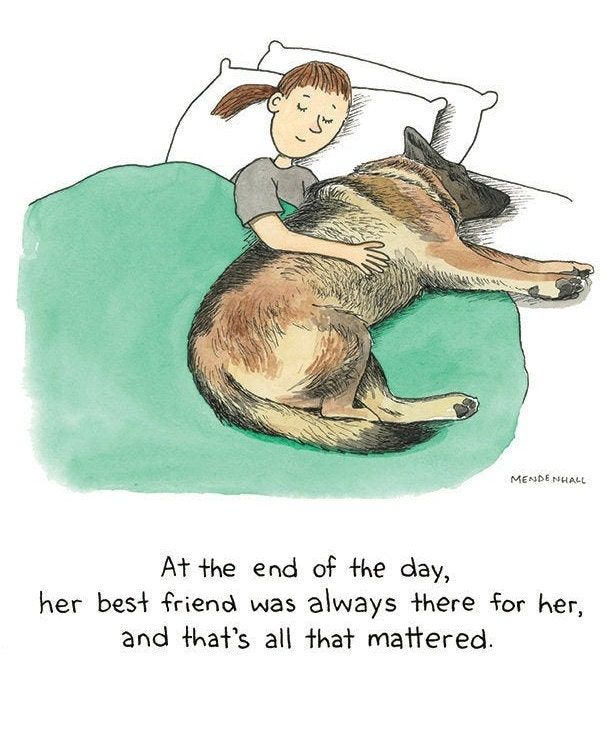
Our pets are often our best friends. They rely on us for care and affection, and we naturally speak to them with kindness and encouragement. By extending this same compassion to ourselves, we can create a more supportive and nurturing internal environment.
(image by: Scott Mendenhall)
The Emotional Bond with Pets:
Pets have an uncanny ability to bring joy and comfort into our lives. The bond we share with them is often pure and unconditional. When we interact with our pets, we are gentle, loving, and encouraging. This interaction teaches us the value of compassion, not just towards others but also towards ourselves. Just as we protect and cherish our pets, we should learn to protect and cherish our own mental health.
How Pets React to Kindness:
Observe how your pet reacts to your words. A kind tone and gentle words make them feel secure and loved. Similarly, our minds respond positively to kindness and encouragement. When we practice positive self-talk, we create an internal environment that fosters growth, resilience, and self-love.
How to Practice Positive Self-Talk
1. Awareness:
Start by becoming aware of your internal dialogue. Notice when you’re engaging in negative self-talk. Awareness is the first step towards change. Pay attention to the words you use and the tone you adopt when talking to yourself. Consider keeping a self-talk journal to track your thoughts throughout the day.
Activity: Self-Talk Journal
- Instructions: Carry a small notebook or use a note-taking app on your phone. Whenever you notice a negative thought, write it down. At the end of each day, review your entries and find common themes.
- Goal: Recognize patterns in your negative self-talk to better understand its triggers and frequency.
2. Challenge Negative Thoughts:
Question the validity of negative thoughts and replace them with more positive and realistic statements. For instance, if you catch yourself thinking, “I can’t do anything right,” challenge this thought. Recall instances where you have succeeded and performed well. Replace it with, “I am capable and have achieved many things.”
Worksheet: Thought Reframing
- Instructions: Create a worksheet with two columns. In the first column, write down negative thoughts as they occur. In the second column, write a more positive and realistic response.
- Example:
- Negative Thought: “I am a failure.”
- Positive Response: “I have faced challenges, but I have also achieved many things and am constantly learning.”
3. Affirmations:
Use positive affirmations to reinforce your worth and abilities. For example, “I am capable,” “I am enough,” or “I deserve happiness.” Repeating affirmations daily can gradually shift your mindset from negative to positive.
Activity: Affirmation Cards
- Instructions: Write positive affirmations on index cards or sticky notes. Place them around your home, in places where you will see them regularly (e.g., bathroom mirror, refrigerator, workspace).
- Goal: Reinforce positive messages throughout your day to shift your internal dialogue.
4. Visualization:
Visualize positive outcomes and scenarios. This can help reframe your mindset and make positive self-talk more natural.
Activity: Positive Visualization Exercise
- Instructions: Spend a few minutes each day visualizing yourself achieving your goals and experiencing positive outcomes. Picture yourself succeeding in a task or feeling confident and happy.
- Goal: Create a mental image of success to reinforce positive thinking and self-talk.
5. Practice Self-Compassion:
Treat yourself with the same kindness and understanding you would offer a friend or pet. When you make a mistake, instead of harsh self-criticism, offer yourself understanding and compassion.
Worksheet: Self-Compassion Letter
- Instructions: Write a letter to yourself from the perspective of a compassionate friend. In the letter, acknowledge your struggles and offer words of encouragement and support.
- Goal: Develop a habit of self-compassion by practicing it in written form.
6. Celebrate Small Wins:
Celebrate your achievements, no matter how small, just as you celebrate your pet’s milestones. Recognizing and appreciating your efforts can boost your confidence and motivation.
Activity: Achievement Log
- Goal: Focus on your successes and build a habit of acknowledging and celebrating your efforts.
- Instructions: Keep a log of your daily achievements, no matter how minor they may seem. Each evening, write down at least three things you accomplished that day.
Be gentle with yourself as you are to your pet
- Use Kind Words: Just as you use kind and encouraging words with your pets, speak to yourself with the same kindness. Speak to yourself with the same kindness.
- Offer Yourself Compassion: When you make a mistake, instead of harsh self-criticism, offer yourself understanding and compassion. Remember, everyone makes mistakes; it’s a part of being human.
- Celebrate Small Wins: Celebrate your achievements, no matter how small, just as you celebrate your pet’s milestones. Recognizing and appreciating your efforts can boost your confidence and motivation.
Conclusion

Your pets deserve to hear kind and loving words, and so do you. You can enhance your mental health and wellbeing by practicing positive self-talk. Treat yourself with the same compassion you show to your pets. Remember, if you wouldn’t say it to your pets, don’t say it to yourself.
Therapy can play a crucial role in this journey. A mental health professional can give personalized strategies and support. They can help you overcome negative self-talk and develop a more positive and compassionate relationship with yourself. If you find it challenging to change your self-talk habits on your own, seek professional help. It can make a significant difference. Therapy offers a safe space to explore your thoughts and feelings, learn effective coping mechanisms, and build a healthier self-image.
Want to speak with a therapist about your self-talk? I am here to help.

 The Comfort Couch
Leave a comment